Two.Sigma

← Review lab

Run #778

done rubric v1 session 79363822 gemini-3.7-flash 2026-09-21 02:21
Session in Sessions →

The recording

What the student sent the question as it arrived, then each reading of it

Typed by the student

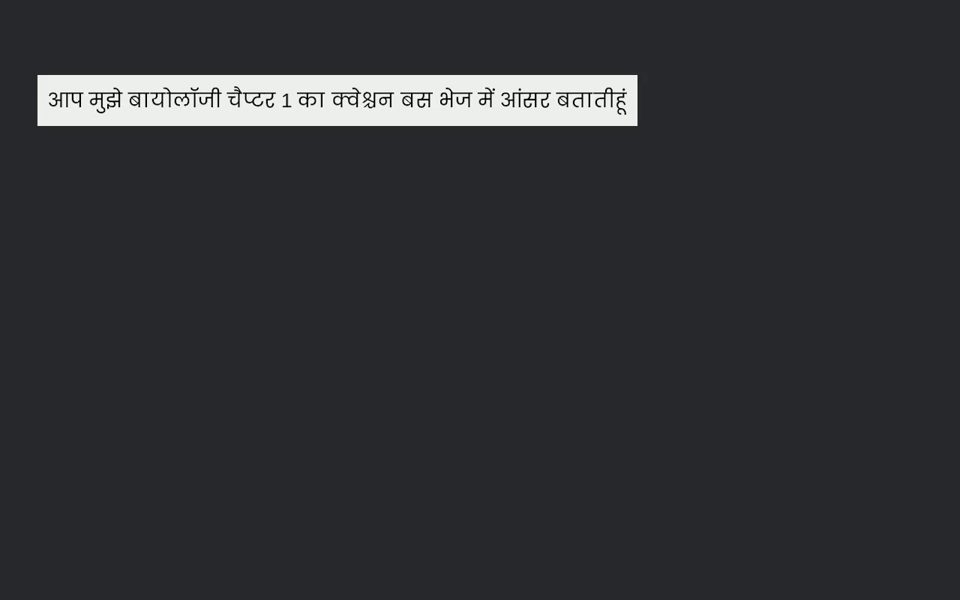
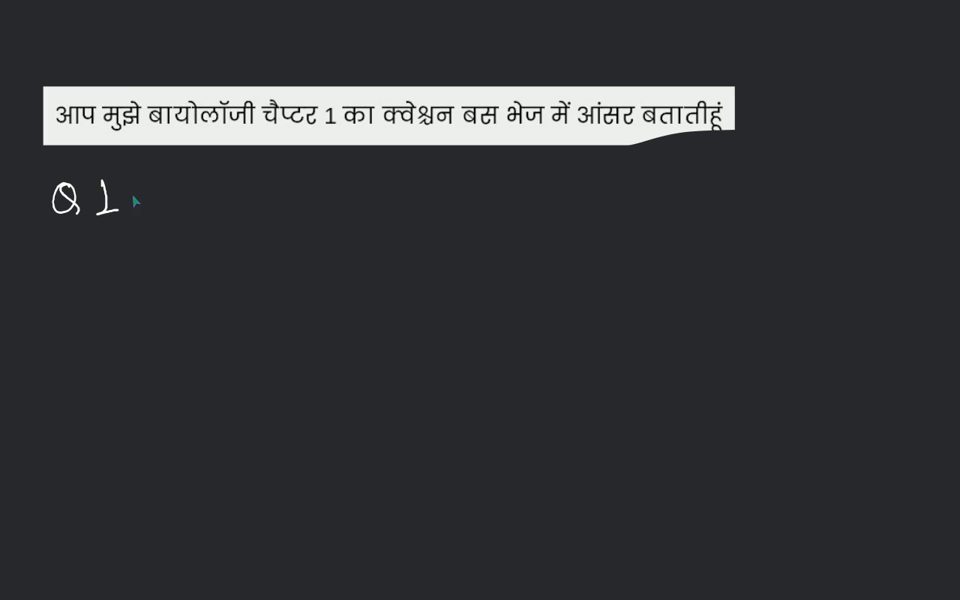
आप मुझे बायोलॉजी चैप्टर 1 का क्वेश्चन बस भेज में आंसर बतातीहूं

The audit's reading of the question, which is what the Product AI judged against:

आप मुझे बायोलॉजी चैप्टर 1 का क्वेश्चन बस भेज में आंसर बतातीहूं

Audit's summary: The student asked for questions from Biology Chapter 1 and wanted the answers. The tutor provided a series of questions in Hindi, covering topics like characteristics of living organisms, binomial nomenclature, taxonomic hierarchy, scientific naming, classification of plants and animals, and the definition of life. The student answered most of the questions correctly, and the tutor confirmed the answers and provided explanations where needed. The session focused on MCQs and some short answer questions. The tutor also mentioned that the session was limited to 25 minutes and offered to provide more questions if time permitted. The student expressed a desire to study from the beginning of the chapter and mentioned being from the Bihar Board.

Transcript 5,895 characters · 800 stripped

Read it no speaker labels — tutor and student run together

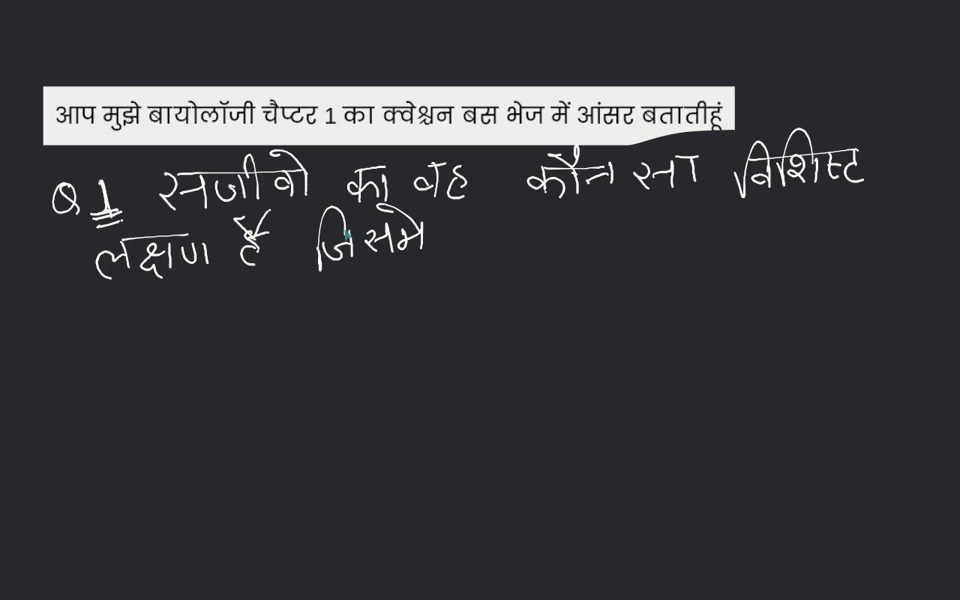
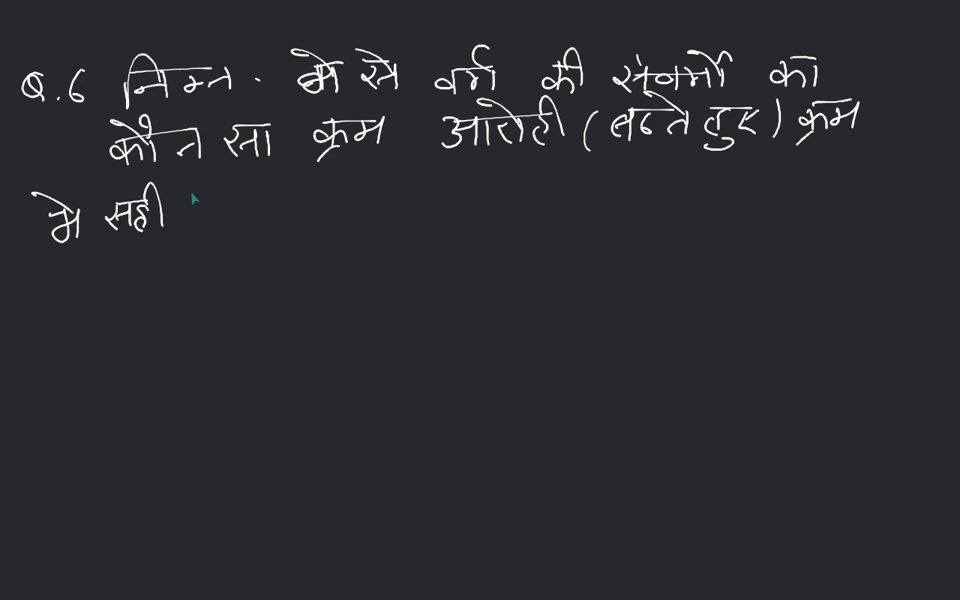
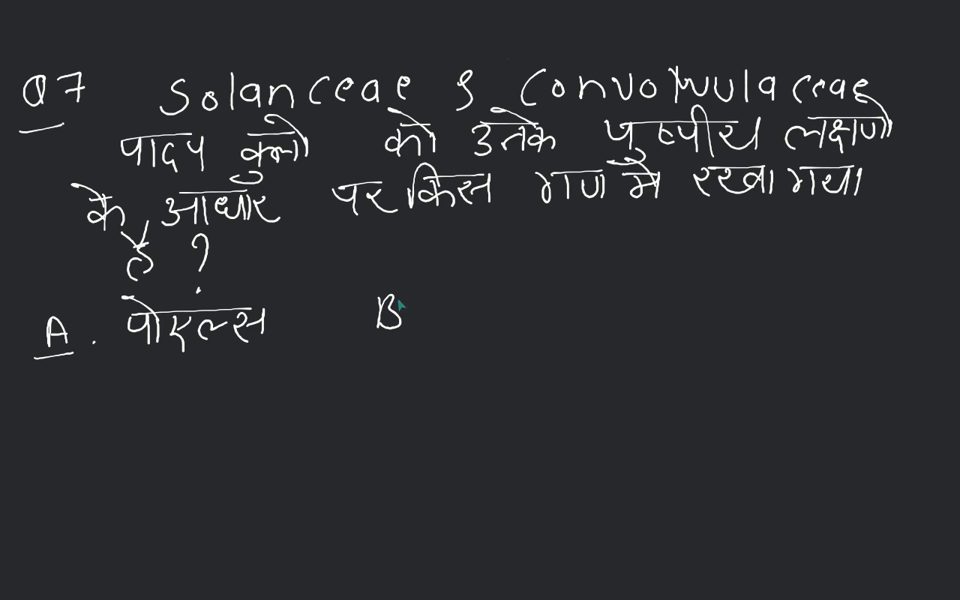
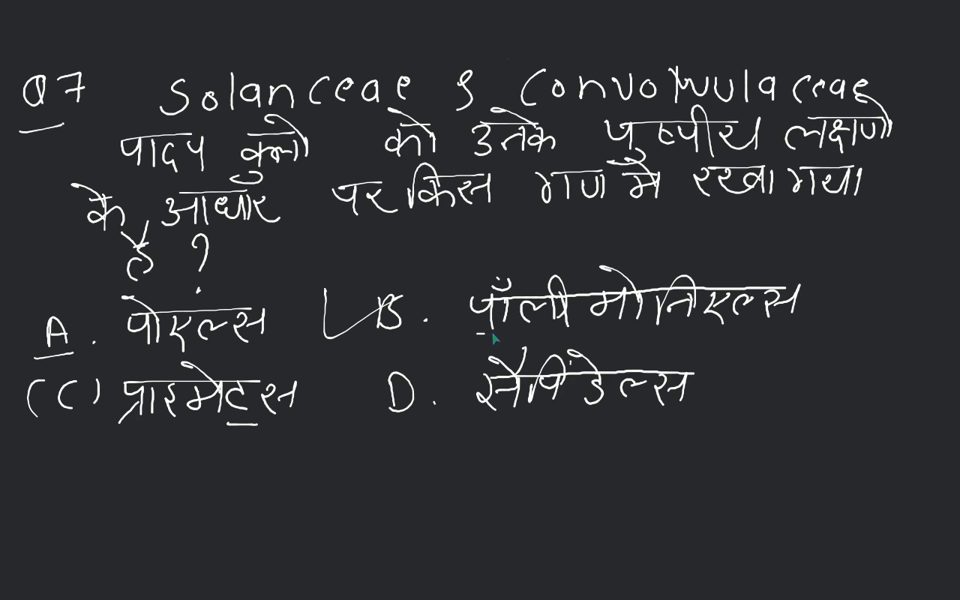
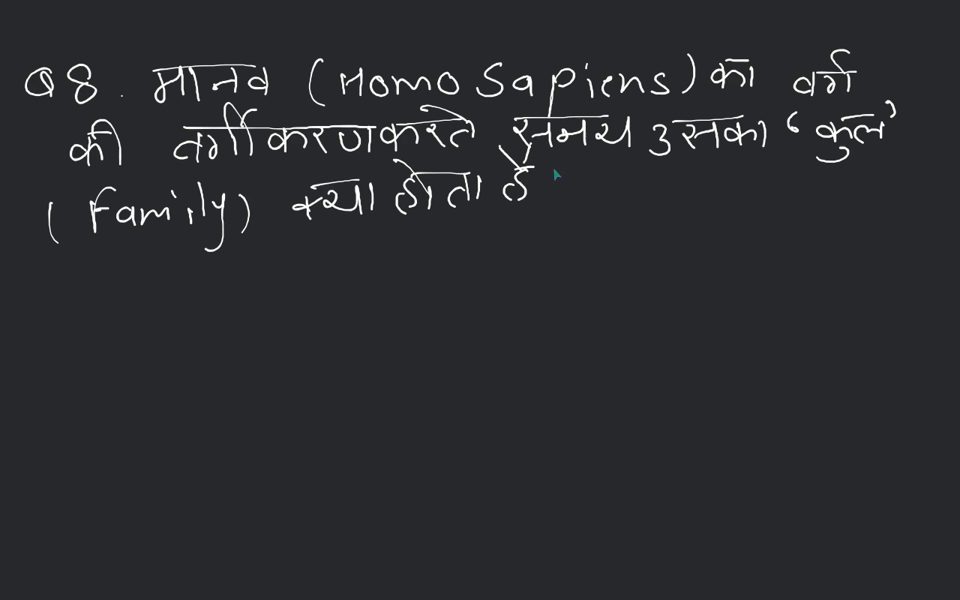
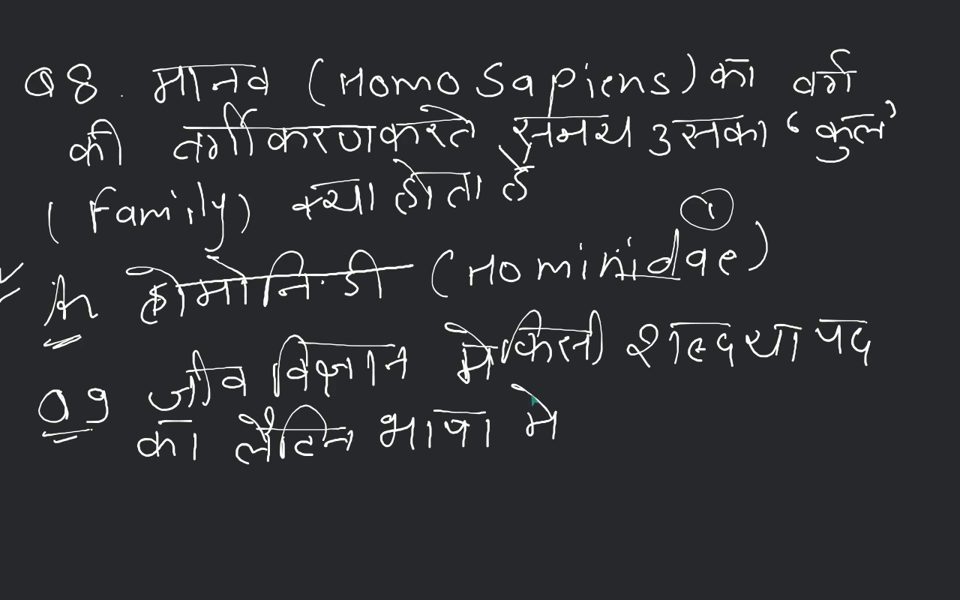
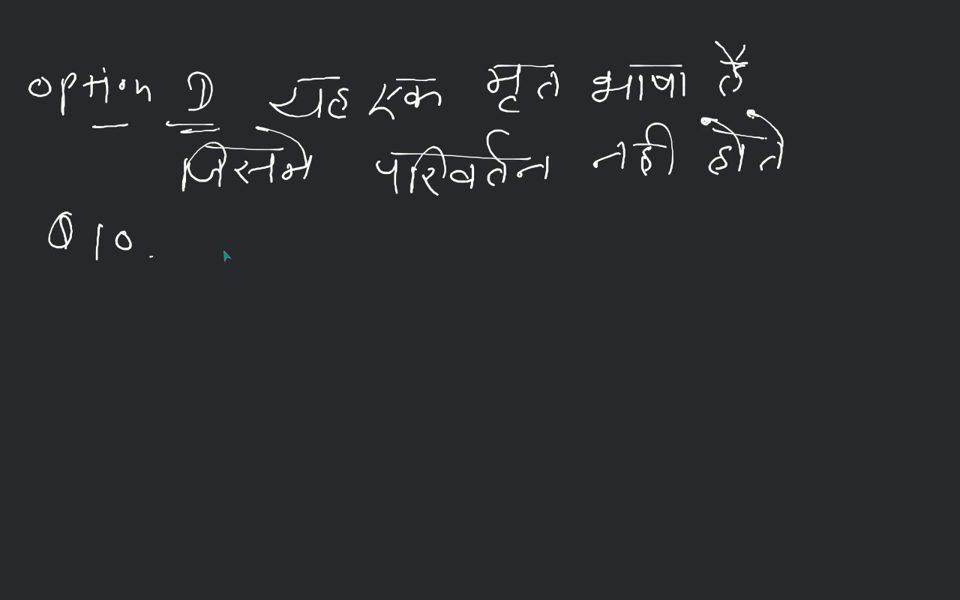
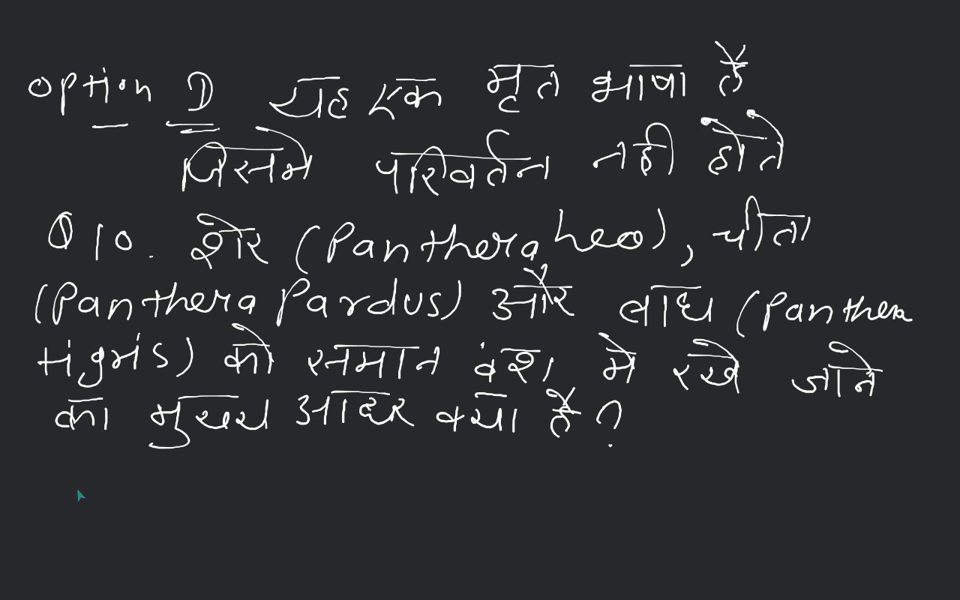
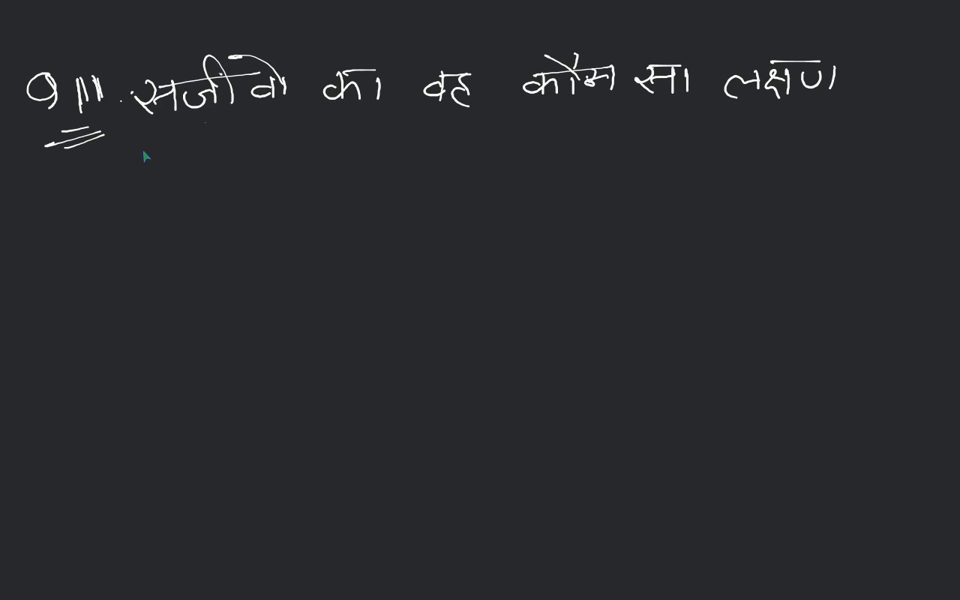
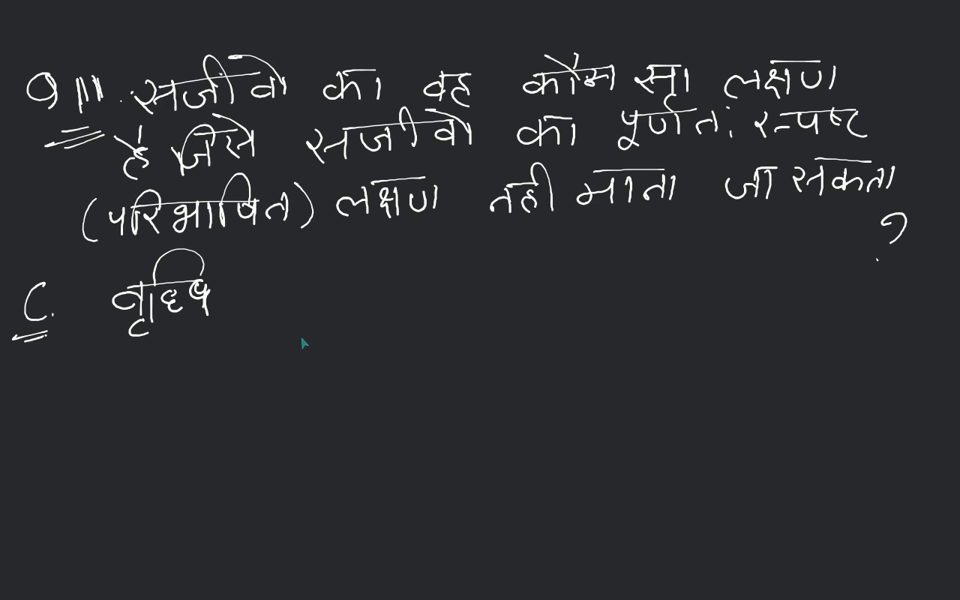
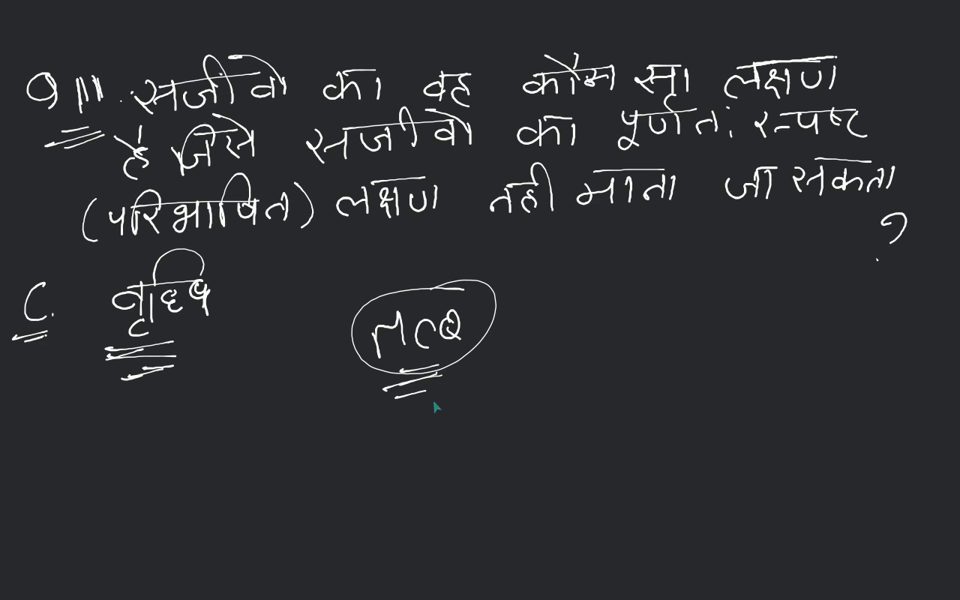
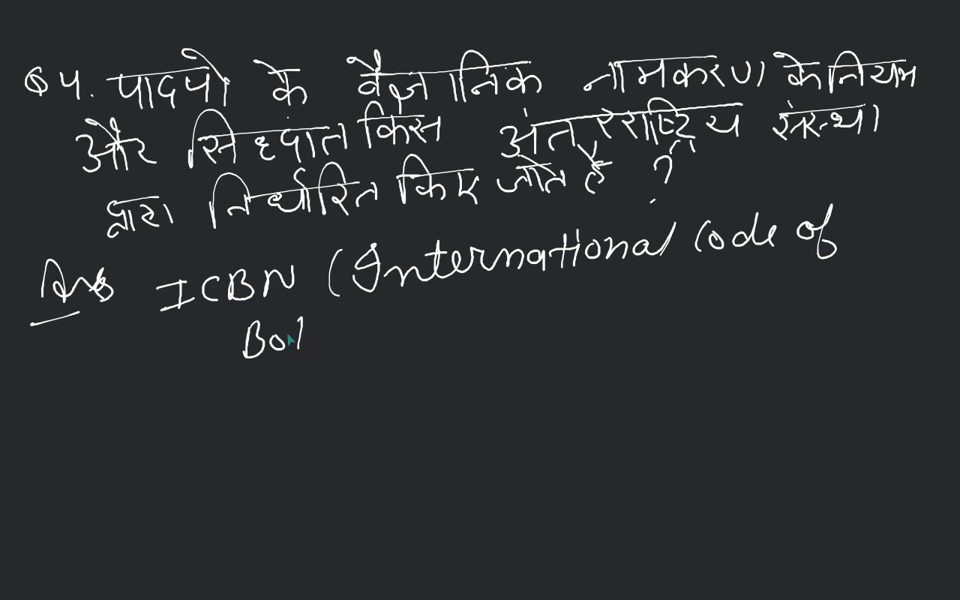
Hello student, welcome to the Filo. Hello. Hello ma'am. You're voice is coming? Yes. You're voice is coming? Yes. Yes. So you have to send question for chapter 1. You have to send question. Yes. Thank you. Do you want questions? Yes. Which medium are you from? English or Hindi? Hindi. So I will write the questions in Hindi in the page of Biology Chapter 1 and you have to answer them. Teacher is used to help you to choose the teacher you want to study with. You have to choose the teacher you want to study with. You can also help the teacher by taking a session with a teacher. You have to help the teacher in the Filo Tutor after the session. Which question do you want? MCQ or Loan Short? MCQG is OK. One second, I will check which are the important questions. Your question is first. Thank you for watching. Living world is called Jeev Jagat. Is this your chapter? Yes. Okay. So, the question of the living world is in NCRT. Here, the question first is विशिष्ट लक्षण है। It has no difference. It has no difference. It has no difference. It has no difference. Your answer is right. It has no difference. Okay? Yes. Here you get one mark. And, question number second comes. Dwi naam padati. Means, binomial nomenclature. Dwi naam padati. पद्धती प्राइनोमियन नोमिक्लेचर के अनुसार किसी जीव के विज्ञानिक नाम में किसी जीव के विज्ञानिक नाम में Thank you. पहला शब्द किसे प्रदर्शित करता है? वन्श का. ये भी आपका सही आंसर है. इसका आंसर होगा वन्श. चिक्के? जे. Question No. 3 वर्गी की पदानुक्रम जिसको क्या कहते है इंग्रिश में टेक्सोनोमिक हेरार्की में नीचे से उपर की ओर जाने पर सामान्य लक्षन की संख्या लक्षनों की संख्या पर क्या प्रभाव पड़ता है? एक सेकेंड मैं आपको बता दी हूँ. यहाँ पर ओप्षन देती हूँ. गटती है, बढ़ती है, समान रहती है, पहले बढ़ती है, फिर गटती है. Yes. So, you gave the answer that it is a cluster. So, here also your answer is correct. That from the earth to the world. That means, when you go up, the symptoms of the living beings are always clusters. Yes. Here also your one mark. Here also this one is also correct. Okay. Three questions are absolutely correct. And question number is now fourth. पादपो के विज्ञानिक नामकरण होते हैं, जिसको कहते हैं Scientific Name विज्ञानिक नामकरण के नियम और सिद्धान्त. Thank you. और सिधान्त किस अंतराश्रीय संस्था द्वारा निर्धारित किये जाते हैं? अंतराश्रीय संस्था द्वारा किये जाते हैं? Question No. 5 Mangefera indica is the full name of this. Mangefera indica. Mangefera indica. And in this, the L-I-N-N is written in the scientific name. Okay? So, in this scientific name, what does the lean word represent? The lean word is the sort format of the line. The line is the format which was found. I want the lines. Yes, your answer is correct. It was named K-Rollers Linears. Your five MCQs have been written. You have read the chapter very well. Question number six was, You have given the correct answer. The primary function of the gender is the lowest level of Question number 7th is, Solanaceae and Convo hula, which is the house where the flowering signs of the Padak hula are kept? So, here, in your table, you have to tell from that. Soleneci and I will write it in Hindi. So, Solennaceae and Cornwall Placidiae. पर किस गण में रखा गया है? चुके? जी. तो यहाँ option दू में आपको? जी ना. चुके. इसका A option है. Oils. जी. B option है. Oily. And the C option is primates. And D option is stepping bells. I am thinking of primates. Primates, what does it mean? Primates, look, the primates you have given, they come in animals, primates. Yes. In English, we use primates. Do you know what are the poils? No, I don't know. Question No. 8 So, Manav, which is Homo sapiens, Manav, which is Homo sapiens, sapiens, ok, का वर्ग की जो वर्गी करन है, वर्गी की, वर्गी करन, पढ़ते समय, उसका फुल, Option में देती हूँ आपको, मेमेलिया, ओडेटा, होमोनीडी और प्राइमेटा. लिखो क्या option होगा मैं? कौन सा? होमोनीडी. Yes, आपका answer सही है. इसमें इसका answer है, होमोनीडी. I'm writing it down. Question 9th is in Jeeva Vigyan, In India, some word or Latin word of a word or a line is used. What is the main reason for being in the language? What is the main reason? Should I give you the options? Yes. It comes in the options. Here is the official language of all countries. Yes. C is very easy to pronounce and D is a dead language which does not have any changes. Yes, यह वाला पे आपका आंसर सही है. यहां जो है एक मृत भाषा है जिसमें परिवर्तन नहीं होते हैं. Question number 10 is शेर जो पेन्थेरा लियो होता है और चीता जिसको कहते है पेन्थेरा पार्डर और जो बार जो होता है उसको क्या कहते हैं हम? Yes, इसको हम कहते हैं पेन्थेरा शायकरीस को समान वंश में रखे जाने का मुख्य आधार क्या है? वंश समान है ना. मुख्य आधार क्या है? Now I will give you the options. Read carefully. The first option is equal vocalization. The second option is equal eating habits. The third option is equal color and appearance. And the fourth option is different quality of speech. I think it is Ubaanesh Moolik Gun. So, they are kept in which dynasty? In Panthera dynasty. In Panthera dynasty. Okay? Yes. Which Panthera dynasty? Panthera dynasty. Okay? Yes. You have 10 questions. Do you want more questions? Yes, ma'am. So, look, here I will give you 1-2 questions. Because the session is 25 minutes. Thank you for watching. Question number 11 Question चेक कर रही हूँ. वहां कौन सा लक्षन है? जिसे सजीव का पून्त हुआ. इसमें जो है option देती हूँ मैं आपको चेतना पेला option जी और पुरसरा option है कोशिकिये संगठन जी तीसरा है व्रत्धी और चोता है उपापचय Yes, you have given the right answer. Line by line we teach CRT. Where? How? Like book has line by line anxiety. Yes. It is taught. Yes, it is taught. It is understood well. Yes, it is understood well. If there is a good teacher who can explain, then he can explain line by line. Yes, so I have to study. Okay, you have to study. So, from which chapter do you have to study? From the beginning. So, which board are you from? Bihar Board. Thank you for watching.

What the student sent the question as it arrived, then each reading of it

Typed by the student

आप मुझे बायोलॉजी चैप्टर 1 का क्वेश्चन बस भेज में आंसर बतातीहूं

The audit's reading of the question, which is what the Product AI judged against:

आप मुझे बायोलॉजी चैप्टर 1 का क्वेश्चन बस भेज में आंसर बतातीहूं

Audit's summary: The student asked for questions from Biology Chapter 1 and wanted the answers. The tutor provided a series of questions in Hindi, covering topics like characteristics of living organisms, binomial nomenclature, taxonomic hierarchy, scientific naming, classification of plants and animals, and the definition of life. The student answered most of the questions correctly, and the tutor confirmed the answers and provided explanations where needed. The session focused on MCQs and some short answer questions. The tutor also mentioned that the session was limited to 25 minutes and offered to provide more questions if time permitted. The student expressed a desire to study from the beginning of the chapter and mentioned being from the Bihar Board.

Transcript 5,895 characters · 800 stripped

Read it no speaker labels — tutor and student run together

Hello student, welcome to the Filo. Hello. Hello ma'am. You're voice is coming? Yes. You're voice is coming? Yes. Yes. So you have to send question for chapter 1. You have to send question. Yes. Thank you. Do you want questions? Yes. Which medium are you from? English or Hindi? Hindi. So I will write the questions in Hindi in the page of Biology Chapter 1 and you have to answer them. Teacher is used to help you to choose the teacher you want to study with. You have to choose the teacher you want to study with. You can also help the teacher by taking a session with a teacher. You have to help the teacher in the Filo Tutor after the session. Which question do you want? MCQ or Loan Short? MCQG is OK. One second, I will check which are the important questions. Your question is first. Thank you for watching. Living world is called Jeev Jagat. Is this your chapter? Yes. Okay. So, the question of the living world is in NCRT. Here, the question first is विशिष्ट लक्षण है। It has no difference. It has no difference. It has no difference. It has no difference. Your answer is right. It has no difference. Okay? Yes. Here you get one mark. And, question number second comes. Dwi naam padati. Means, binomial nomenclature. Dwi naam padati. पद्धती प्राइनोमियन नोमिक्लेचर के अनुसार किसी जीव के विज्ञानिक नाम में किसी जीव के विज्ञानिक नाम में Thank you. पहला शब्द किसे प्रदर्शित करता है? वन्श का. ये भी आपका सही आंसर है. इसका आंसर होगा वन्श. चिक्के? जे. Question No. 3 वर्गी की पदानुक्रम जिसको क्या कहते है इंग्रिश में टेक्सोनोमिक हेरार्की में नीचे से उपर की ओर जाने पर सामान्य लक्षन की संख्या लक्षनों की संख्या पर क्या प्रभाव पड़ता है? एक सेकेंड मैं आपको बता दी हूँ. यहाँ पर ओप्षन देती हूँ. गटती है, बढ़ती है, समान रहती है, पहले बढ़ती है, फिर गटती है. Yes. So, you gave the answer that it is a cluster. So, here also your answer is correct. That from the earth to the world. That means, when you go up, the symptoms of the living beings are always clusters. Yes. Here also your one mark. Here also this one is also correct. Okay. Three questions are absolutely correct. And question number is now fourth. पादपो के विज्ञानिक नामकरण होते हैं, जिसको कहते हैं Scientific Name विज्ञानिक नामकरण के नियम और सिद्धान्त. Thank you. और सिधान्त किस अंतराश्रीय संस्था द्वारा निर्धारित किये जाते हैं? अंतराश्रीय संस्था द्वारा किये जाते हैं? Question No. 5 Mangefera indica is the full name of this. Mangefera indica. Mangefera indica. And in this, the L-I-N-N is written in the scientific name. Okay? So, in this scientific name, what does the lean word represent? The lean word is the sort format of the line. The line is the format which was found. I want the lines. Yes, your answer is correct. It was named K-Rollers Linears. Your five MCQs have been written. You have read the chapter very well. Question number six was, You have given the correct answer. The primary function of the gender is the lowest level of Question number 7th is, Solanaceae and Convo hula, which is the house where the flowering signs of the Padak hula are kept? So, here, in your table, you have to tell from that. Soleneci and I will write it in Hindi. So, Solennaceae and Cornwall Placidiae. पर किस गण में रखा गया है? चुके? जी. तो यहाँ option दू में आपको? जी ना. चुके. इसका A option है. Oils. जी. B option है. Oily. And the C option is primates. And D option is stepping bells. I am thinking of primates. Primates, what does it mean? Primates, look, the primates you have given, they come in animals, primates. Yes. In English, we use primates. Do you know what are the poils? No, I don't know. Question No. 8 So, Manav, which is Homo sapiens, Manav, which is Homo sapiens, sapiens, ok, का वर्ग की जो वर्गी करन है, वर्गी की, वर्गी करन, पढ़ते समय, उसका फुल, Option में देती हूँ आपको, मेमेलिया, ओडेटा, होमोनीडी और प्राइमेटा. लिखो क्या option होगा मैं? कौन सा? होमोनीडी. Yes, आपका answer सही है. इसमें इसका answer है, होमोनीडी. I'm writing it down. Question 9th is in Jeeva Vigyan, In India, some word or Latin word of a word or a line is used. What is the main reason for being in the language? What is the main reason? Should I give you the options? Yes. It comes in the options. Here is the official language of all countries. Yes. C is very easy to pronounce and D is a dead language which does not have any changes. Yes, यह वाला पे आपका आंसर सही है. यहां जो है एक मृत भाषा है जिसमें परिवर्तन नहीं होते हैं. Question number 10 is शेर जो पेन्थेरा लियो होता है और चीता जिसको कहते है पेन्थेरा पार्डर और जो बार जो होता है उसको क्या कहते हैं हम? Yes, इसको हम कहते हैं पेन्थेरा शायकरीस को समान वंश में रखे जाने का मुख्य आधार क्या है? वंश समान है ना. मुख्य आधार क्या है? Now I will give you the options. Read carefully. The first option is equal vocalization. The second option is equal eating habits. The third option is equal color and appearance. And the fourth option is different quality of speech. I think it is Ubaanesh Moolik Gun. So, they are kept in which dynasty? In Panthera dynasty. In Panthera dynasty. Okay? Yes. Which Panthera dynasty? Panthera dynasty. Okay? Yes. You have 10 questions. Do you want more questions? Yes, ma'am. So, look, here I will give you 1-2 questions. Because the session is 25 minutes. Thank you for watching. Question number 11 Question चेक कर रही हूँ. वहां कौन सा लक्षन है? जिसे सजीव का पून्त हुआ. इसमें जो है option देती हूँ मैं आपको चेतना पेला option जी और पुरसरा option है कोशिकिये संगठन जी तीसरा है व्रत्धी और चोता है उपापचय Yes, you have given the right answer. Line by line we teach CRT. Where? How? Like book has line by line anxiety. Yes. It is taught. Yes, it is taught. It is understood well. Yes, it is understood well. If there is a good teacher who can explain, then he can explain line by line. Yes, so I have to study. Okay, you have to study. So, from which chapter do you have to study? From the beginning. So, which board are you from? Bihar Board. Thank you for watching.

Review team

no_issue

Product AI

nothing found

teaching Yes · mistakes No · satisfactory Yes

Each verdict takes your own. Yours is stored against the stack's, so “where is it wrong most often” is a question with an answer.

  1. Work is the right way up Screen orientation is upright at 0 degrees
    All text and handwritten notes across frames 1-16 are upright (0 degrees).
    seen · 100% confident
  2. Your view
  3. Writing is legible at video size Handwriting and typed text are clear and legible
    Devanagari script and English terms are neatly written with good contrast against the dark background across frames 4, 6, 8, 9, 12, 13, 15, and 16.
    seen · 95% confident
  4. Your view
  5. The work fills the frame Not applicable to a board session
    seen
  6. Nothing distracting in shot Not applicable to a board session
    seen
  7. The student's problem is established Questions are written out clearly on the whiteboard
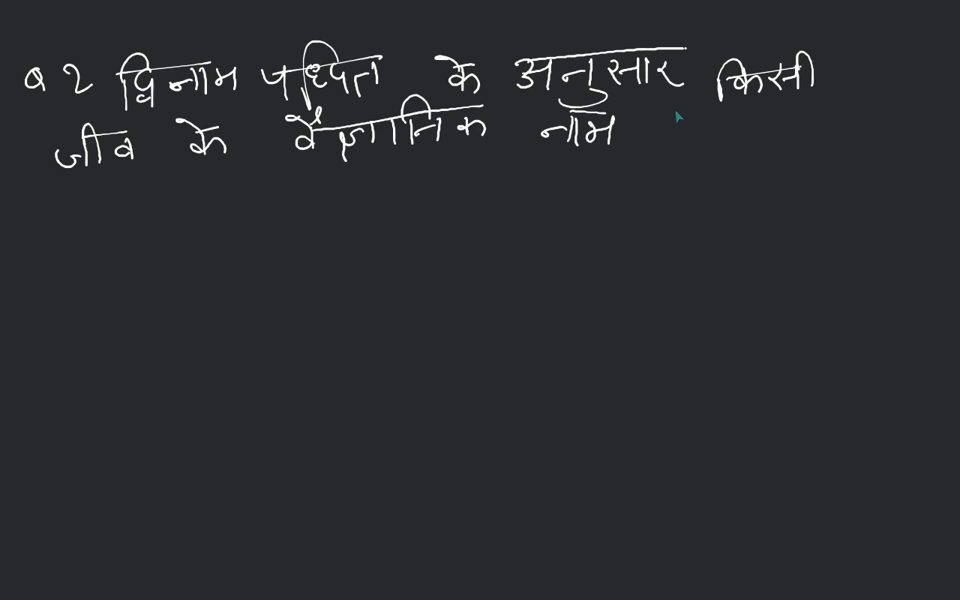
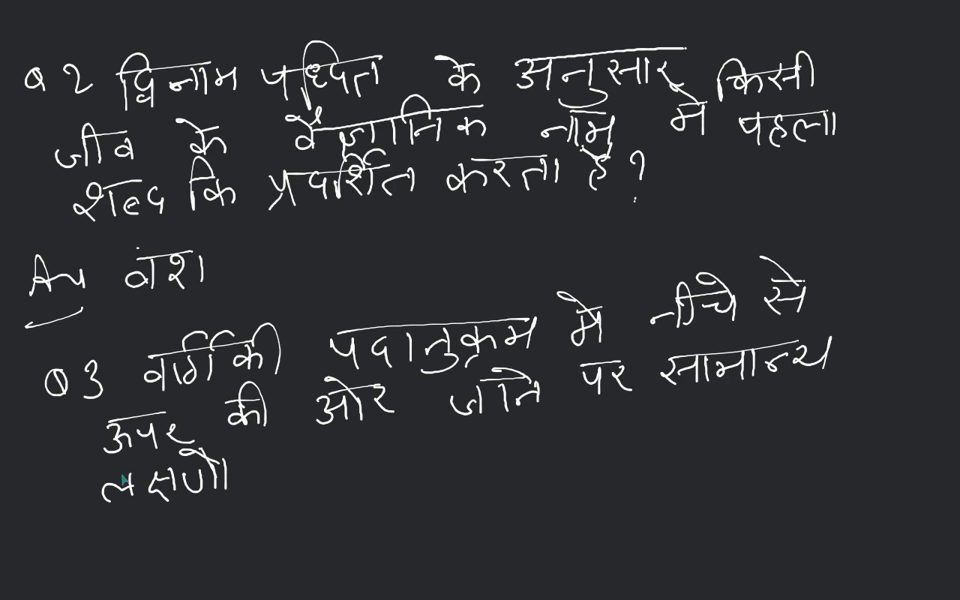
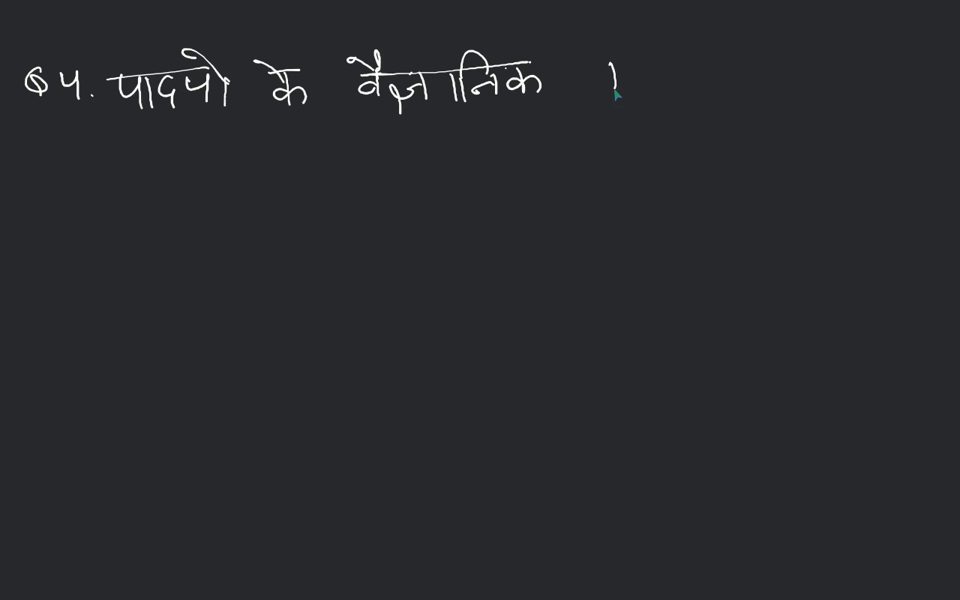
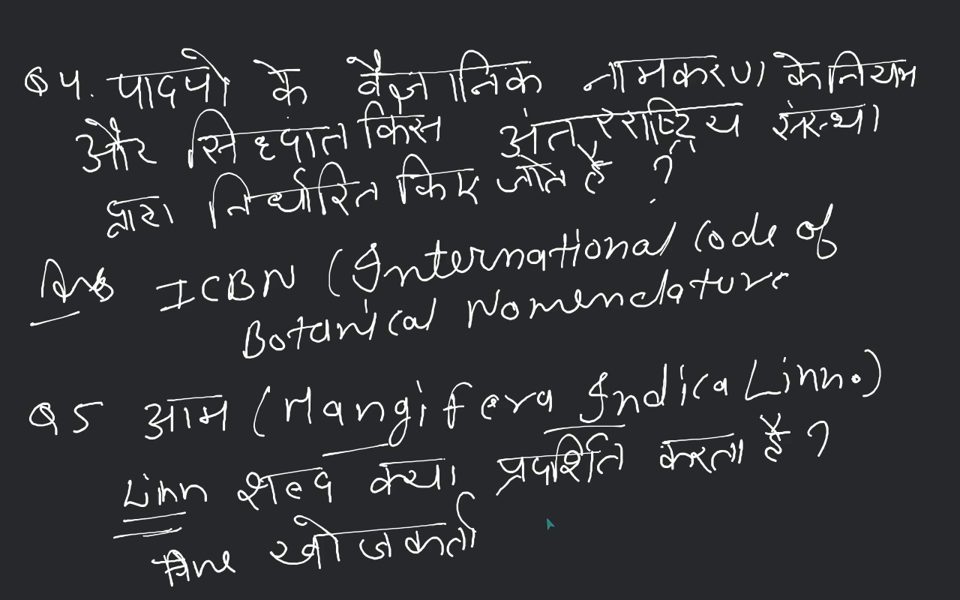
    The student requested questions from Biology Chapter 1, and the tutor writes each question on the canvas (e.g., Q1 in Frame 4, Q2 in Frame 5-6, Q4/Q5 in Frame 9, Q7 in Frame 12-13, Q8/Q9 in Frame 15).
    seen · 95% confident
  8. Your view
  9. Work proceeds in followable steps Questions and answers are organized sequentially
    The tutor systematically presents questions, records answers, and clears the canvas to move to subsequent questions in order (Frames 3-16).
    seen · 90% confident
  10. Your view
  11. It reaches an answer All attempted quiz questions were completed and verified
    Over 10 chapter-review questions were asked, answered, and evaluated during the session as shown across the frames and transcript.
    seen · 95% confident
  12. Your view
  13. Something was actually written board went from 5.34% to a peak of 12.2% covered (+6.86 points), ending at 6.42%
    measured
  14. Your view
  15. The concept is named before the working Topics and biological concepts are explicitly named
    The tutor names the topics, for example stating 'Living world is called Jeev Jagat' and 'Dwi naam padati. Means, binomial nomenclature.'
    heard · 95% confident
  16. Your view
  17. Explained rather than jumped to the answer Format was established before starting the practice quiz
    The tutor established the student's medium and chapter preferences in the opening before beginning the quiz questions.
    heard · 90% confident
  18. Your view
  19. Solved step by step, not in one leap Questions are handled methodically one by one
    The tutor presents each question, provides options when needed, lets the student evaluate, and provides feedback on each answer systematically.
    heard · 90% confident
  20. Your view
  21. The session opens properly Tutor greets the student and confirms requirements
    The tutor greets with 'Hello student, welcome to the Filo' and checks medium ('Which medium are you from? English or Hindi?') and chapter requirements.
    heard · 100% confident
  22. Your view
  23. No long dead air 10 gaps over 6.0s, 90s total (6% of the session), longest 25s
    Silence is below -35.0dB — a crude measure on a phone microphone, so treat a low count as weak evidence rather than proof the tutor was talking.
    measured
  24. Your view
Observations judged, but not counted as the lab objecting
  1. The camera holds still Not applicable to a board session
    Not counted: Measured over 183 known-bad and 29 known-good camera sessions (2026-09-21): raised on 87% of the bad and 86% of the good, and the motion distributions are the same shape — median frame difference 25 on the bad set, 27 on the good. No threshold on this number separates them, so it is reported and not counted.
    measured
  2. Exposure is usable Not applicable to a board session
    Not counted: Same two sets: it raised 6 of 183 known-bad and 2 of 29 known-good sessions. Both too few to mean anything, and the brightness distributions overlap almost exactly. The earlier reading that it 'fires more on clean sessions' was two sessions out of twenty-nine — noise, not an inverted rule.
    measured
  3. Understanding of the concept is checked Active recall and conceptual questions are asked throughout
    The session is structured as an interactive quiz testing concepts like binomial nomenclature, taxonomic hierarchy, and ICBN.
    Not counted: Raised on 87% of known-bad and 80% of known-good sessions. The criterion is honest about why in its own `why`: the transcript has no speaker labels, so a real check and a rhetorical 'ok?' are often indistinguishable, and the bar ends up one almost no session clears. Still judged and shown, because reading it beside a recording is how it gets better.
    heard
  4. Your view

Measured

Duration1545s (25.8 min)
Video1280×800 @ 10.0fps
Audio trackyes
Shot changes
Dead air10 gaps ≥6.0s · 90.5s total · longest 25.0s
Lumaavg 45.7 · min · max
Mediumboard 93.2% flat background
Content written5.34% → 6.42% (+6.86)
Transcript 5895 characters of speech
Frames21

What the model returned verbatim

{
  "findings": [
    {
      "key": "orientation",
      "verdict": "ok",
      "headline": "Screen orientation is upright at 0 degrees",
      "evidence": "All text and handwritten notes across frames 1-16 are upright (0 degrees).",
      "confidence": 1.0
    },
    {
      "key": "legibility",
      "verdict": "ok",
      "headline": "Handwriting and typed text are clear and legible",
      "evidence": "Devanagari script and English terms are neatly written with good contrast against the dark background across frames 4, 6, 8, 9, 12, 13, 15, and 16.",
      "confidence": 0.95
    },
    {
      "key": "question_captured",
      "verdict": "ok",
      "headline": "Questions are written out clearly on the whiteboard",
      "evidence": "The student requested questions from Biology Chapter 1, and the tutor writes each question on the canvas (e.g., Q1 in Frame 4, Q2 in Frame 5-6, Q4/Q5 in Frame 9, Q7 in Frame 12-13, Q8/Q9 in Frame 15).",
      "confidence": 0.95
    },
    {
      "key": "structure",
      "verdict": "ok",
      "headline": "Questions and answers are organized sequentially",
      "evidence": "The tutor systematically presents questions, records answers, and clears the canvas to move to subsequent questions in order (Frames 3-16).",
      "confidence": 0.9
    },
    {
      "key": "completion",
      "verdict": "ok",
      "headline": "All attempted quiz questions were completed and verified",
      "evidence": "Over 10 chapter-review questions were asked, answered, and evaluated during the session as shown across the frames and transcript.",
      "confidence": 0.95
    },
    {
      "key": "concept_named",
      "verdict": "ok",
      "headline": "Topics and biological concepts are explicitly named",
      "evidence": "The tutor names the topics, for example stating 'Living world is called Jeev Jagat' and 'Dwi naam padati. Means, binomial nomenclature.'",
      "confidence": 0.95
    },
    {
      "key": "explained_before_solving",
      "verdict": "ok",
      "headline": "Format was established before starting the practice quiz",
      "evidence": "The tutor established the student's medium and chapter preferences in the opening before beginning the quiz questions.",
      "confidence": 0.9
    },
    {
      "key": "concept_checked",
      "verdict": "ok",
      "headline": "Active recall and conceptual questions are asked throughout",
      "evidence": "The session is structured as an interactive quiz testing concepts like binomial nomenclature, taxonomic hierarchy, and ICBN.",
      "confidence": 0.95
    },
    {
      "key": "step_by_step",
      "verdict": "ok",
      "headline": "Questions are handled methodically one by one",
      "evidence": "The tutor presents each question, provides options when needed, lets the student evaluate, and provides feedback on each answer systematically.",
      "confidence": 0.9
    },
    {
      "key": "opening",
      "verdict": "ok",
      "headline": "Tutor greets the student and confirms requirements",
      "evidence": "The tutor greets with 'Hello student, welcome to the Filo' and checks medium ('Which medium are you from? English or Hindi?') and chapter requirements.",
      "confidence": 1.0
    }
  ]
}

Frames in order, one every ~74s
frame 1
1
frame 2
2
frame 3
3
frame 4
4
frame 5
5
frame 6
6
frame 7
7
frame 8
8
frame 9
9
frame 10
10
frame 11
11
frame 12
12
frame 13
13
frame 14
14
frame 15
15
frame 16
16
frame 17
17
frame 18
18
frame 19
19
frame 20
20
frame 21
21